
Zero Emission Transport Examples
A large portion of public transport buses across Sweden operate without fossil fuels. Approximately 10% are fully electric, while a significant portion of the remaining vehicles run on low-carbon fuels such as biofuel and HVO100. The country's goal is to make the bus fleet fully electric by 2035.
Comprehensive incentive programs are being implemented to support the transition to electric vehicles, and charging infrastructure investments are being rapidly expanded through national-scale programs.
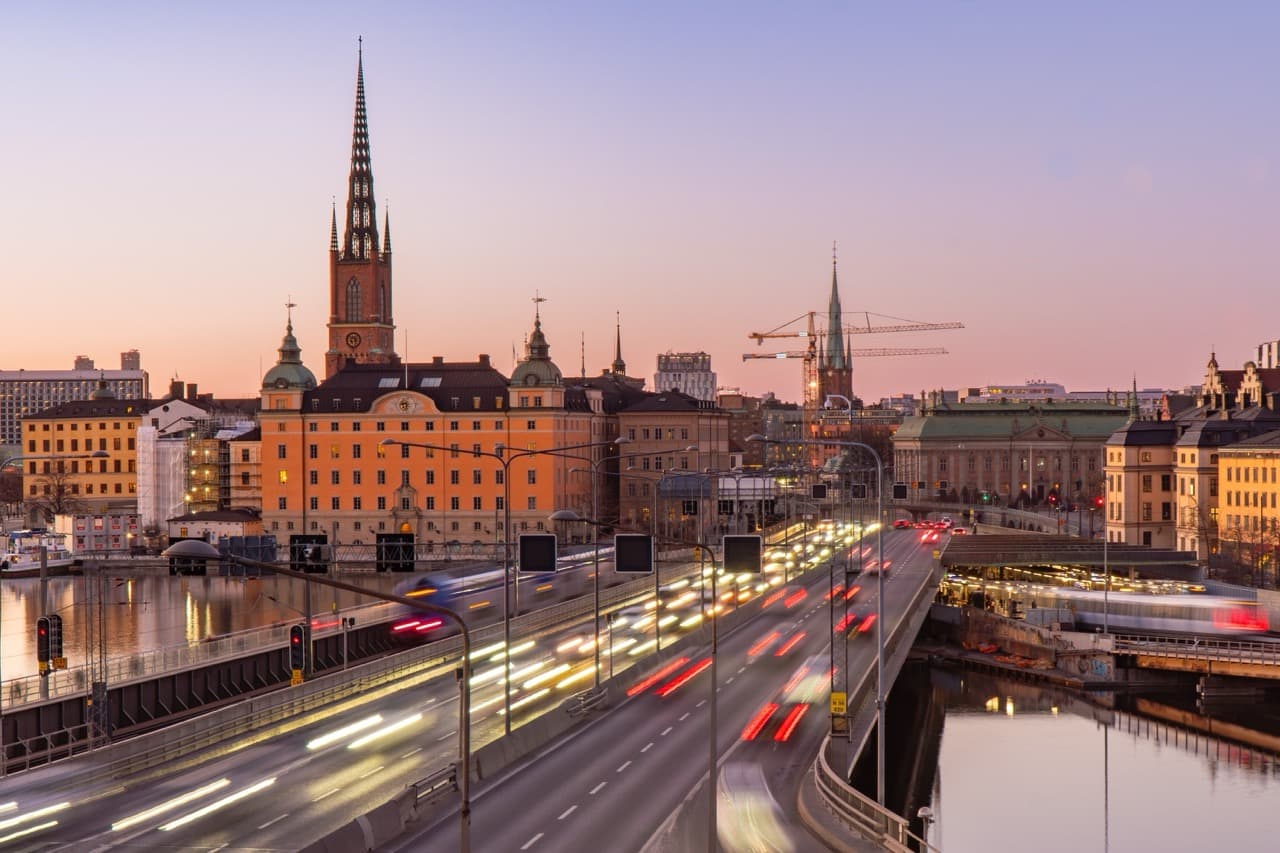
Sweden is expanding low and zero emission zone implementations to reduce emissions in urban transport. Clean air zone applications have been in effect in Stockholm for a long time, and the city stands out as one of the pioneering examples in this field.
The city administration also aims to reduce transport-related emissions by 80% compared to 2010 levels by 2030. In this direction, new restrictions on petrol and diesel vehicles in Stockholm's city center are planned to be implemented.
Sweden is investing in e-methanol production to reduce carbon emissions in maritime transport. The FlagshipONE plant established in Örnsköldsvik has an annual e-methanol production capacity of 50,000 tons.
This fuel, produced with green hydrogen and CO₂ derived from biomass, offers a low-carbon alternative for maritime transport. Additionally, various green methanol pilot projects are being implemented in northern Sweden.
Sweden is also implementing traffic management and smart city applications to make urban transport more sustainable. The congestion charge applied in Stockholm contributes to improving air quality by reducing urban traffic.
Revenues from these applications are directed to public transport and transport infrastructure, thus supporting urban mobility and strengthening low-carbon transport systems.
Türkiye's Net Zero Emission Target: Transport Roadmap Project
Ministry of Transport and Infrastructure
Hakkı Turayliç Cad. No:5 06338 Emek/Çankaya/ANKARA