
Zero Emission Transport Examples
Denmark is accelerating the electrification of public transport to reduce carbon emissions in urban transportation. A large portion of urban bus lines in Copenhagen has been converted to zero-emission vehicles, and the use of electric buses has rapidly expanded.
Thanks to electric buses put into service in the Movia region, approximately 3,100 tons of CO₂ savings are achieved annually. Charging infrastructure is also being rapidly expanded nationwide as part of transport electrification, with new charging stations continuing to be established to support electric vehicle use.
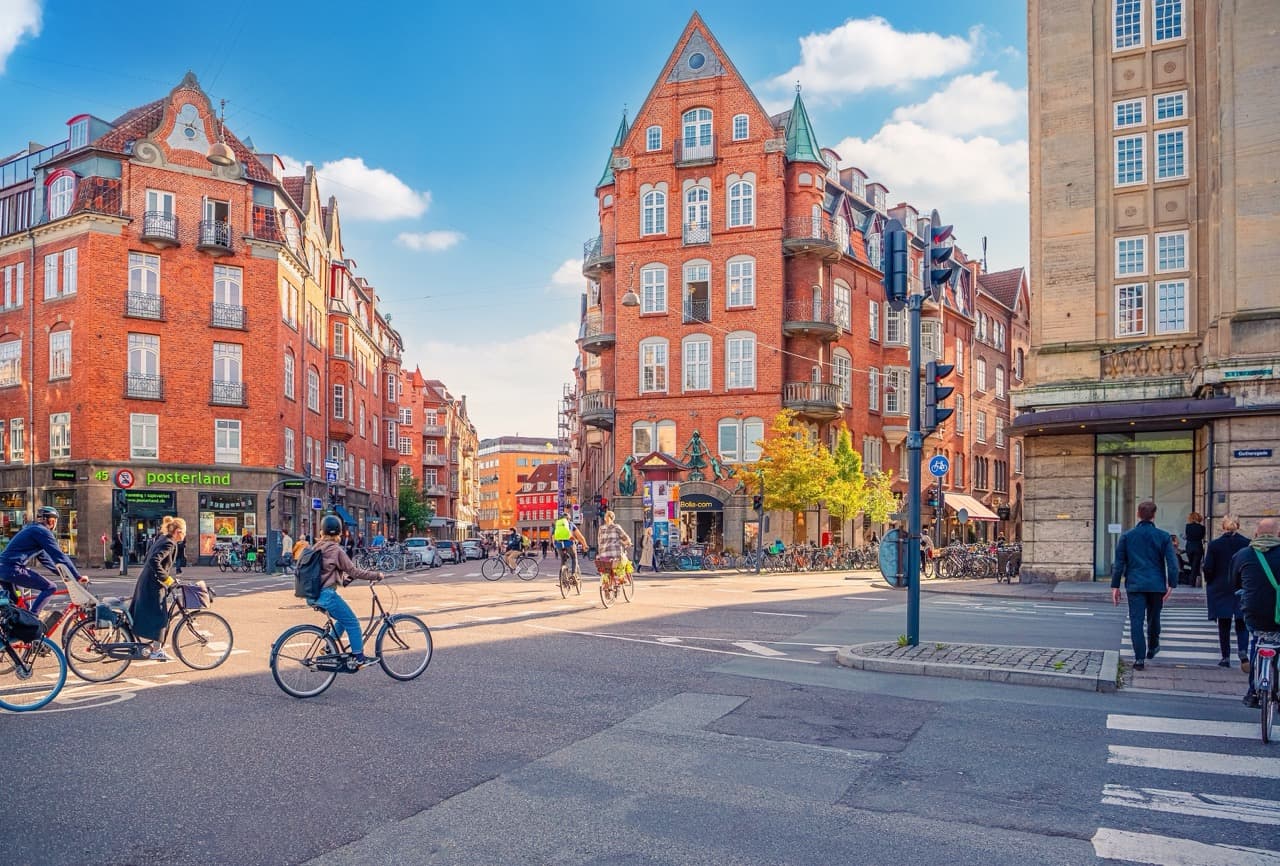
Denmark stands out with strong infrastructure investments that promote active transport. Long-distance cycle superhighways developed around Copenhagen provide fast and safe access to city centers.
This rapidly expanding network connects different municipalities, supporting sustainable transport on a regional scale. Approximately half of commuting trips to work and school in Copenhagen are made by bicycle, and the city stands out as one of the world's leading cities for bicycle use.
Rail system investments are also an important part of Denmark's sustainable transport strategy. The Aarhus Letbane line, opened in 2017, serves millions of passengers annually with a length of approximately 110 kilometers.
Rail system investments aim to reduce carbon emissions by decreasing road traffic. Additionally, the planned Øresund Metro project aims to connect Copenhagen and Malmö and make regional transport more sustainable.
Denmark is also investing in alternative fuel technologies for decarbonizing the transport sector. The commercial-scale e-methanol plant established in the Kasso region of southern Denmark has an annual production capacity of approximately 42,000 tons of green fuel.
E-methanol is particularly targeted to replace fossil fuels in maritime transport. The country also aims to promote low-carbon energy use in the transport sector by developing green hydrogen and e-fuel technologies under its Power-to-X strategy.
Türkiye's Net Zero Emission Target: Transport Roadmap Project
Ministry of Transport and Infrastructure
Hakkı Turayliç Cad. No:5 06338 Emek/Çankaya/ANKARA