
Zero Emission Transport Examples
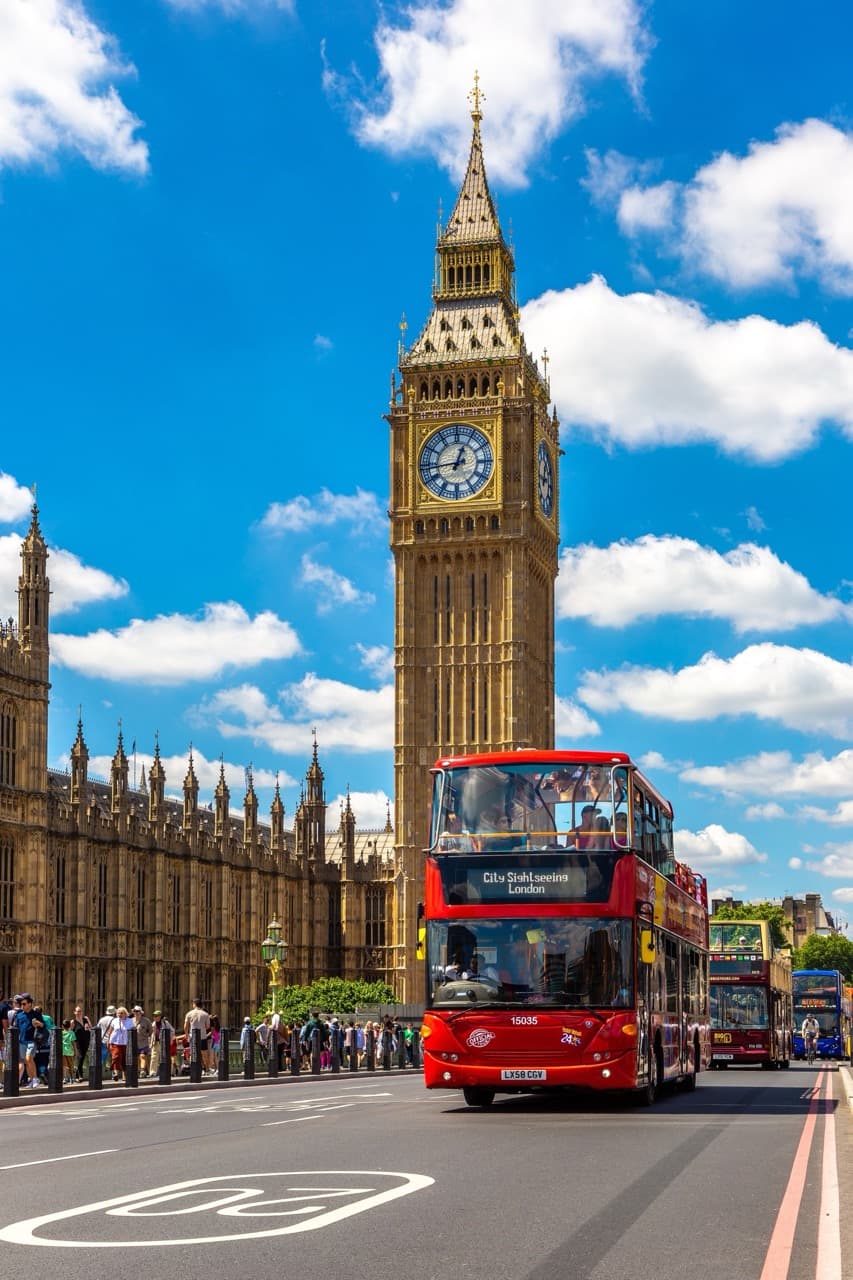
The United Kingdom is accelerating investments in electric and hydrogen-powered buses to reduce carbon emissions in urban public transport. UK-based public transport operator Go-Ahead plans to invest approximately 500 million pounds to purchase 1,200 zero-emission buses in the coming years.
These investments support the low-carbon transformation in public transport by covering battery-electric and hydrogen-powered bus models.
E-scooter and e-bike sharing systems spreading across the United Kingdom offer sustainable transport alternatives for short-distance trips. Thanks to shared mobility services like Voi and Lime, millions of short-distance trips have been completed with emission-free options since 2020.
These systems can be used through mobility hubs integrated with public transport in many cities, especially London.
The United Kingdom is implementing low and zero emission zones to improve air quality and reduce carbon emissions in cities. The ULEZ (Ultra Low Emission Zone) program implemented in London was expanded city-wide in 2023.
Additionally, the Zero Emission Zone (ZEZ) implemented in Oxford has introduced restrictions on high-emission vehicles entering the city center and promoted clean transport.
The zero-emission transformation is also gaining momentum in the logistics sector in the United Kingdom. Electric heavy vehicles and low-carbon delivery solutions are becoming widespread.
For example, Amazon UK aims to reduce emissions in urban deliveries by deploying electric heavy goods vehicles. Additionally, cargo bicycles and rail-supported delivery systems offer more sustainable logistics solutions in city centers.
Türkiye's Net Zero Emission Target: Transport Roadmap Project
Ministry of Transport and Infrastructure
Hakkı Turayliç Cad. No:5 06338 Emek/Çankaya/ANKARA