Zero Emission Transport Examples
The Netherlands is taking important steps towards the zero-emission goal in public transport. In line with the decision taken in 2015, only zero-emission buses are planned to be allowed for purchase by 2025. By 2030, the entire bus fleet nationwide is targeted to consist of electric or hydrogen-powered vehicles.
Environmentally friendly practices are also prominent in railway transport. Since 2017, electric trains in the Netherlands have been running entirely on renewable energy sources.
The Netherlands is developing innovative solutions to reduce carbon emissions in maritime and inland waterway transport. Under the "Green Deal on Maritime and Inland Shipping" agreement, state fleets are targeted to operate with alternative fuels such as methanol and hydrogen.
Within the TNO-supported MENENS project, methanol-powered ship systems are being tested, and a large-scale facility is being established in Delfzijl for sustainable methanol production.
Zero emission zones are being established in the Netherlands to reduce carbon emissions from urban logistics activities. Since 2025, zero emission zones (ZEZ) for logistics vehicles have been implemented in cities such as Amsterdam, Rotterdam, Utrecht, and Eindhoven.
The use of electric vehicles or cargo bicycles for cargo transportation is being encouraged in these zones.
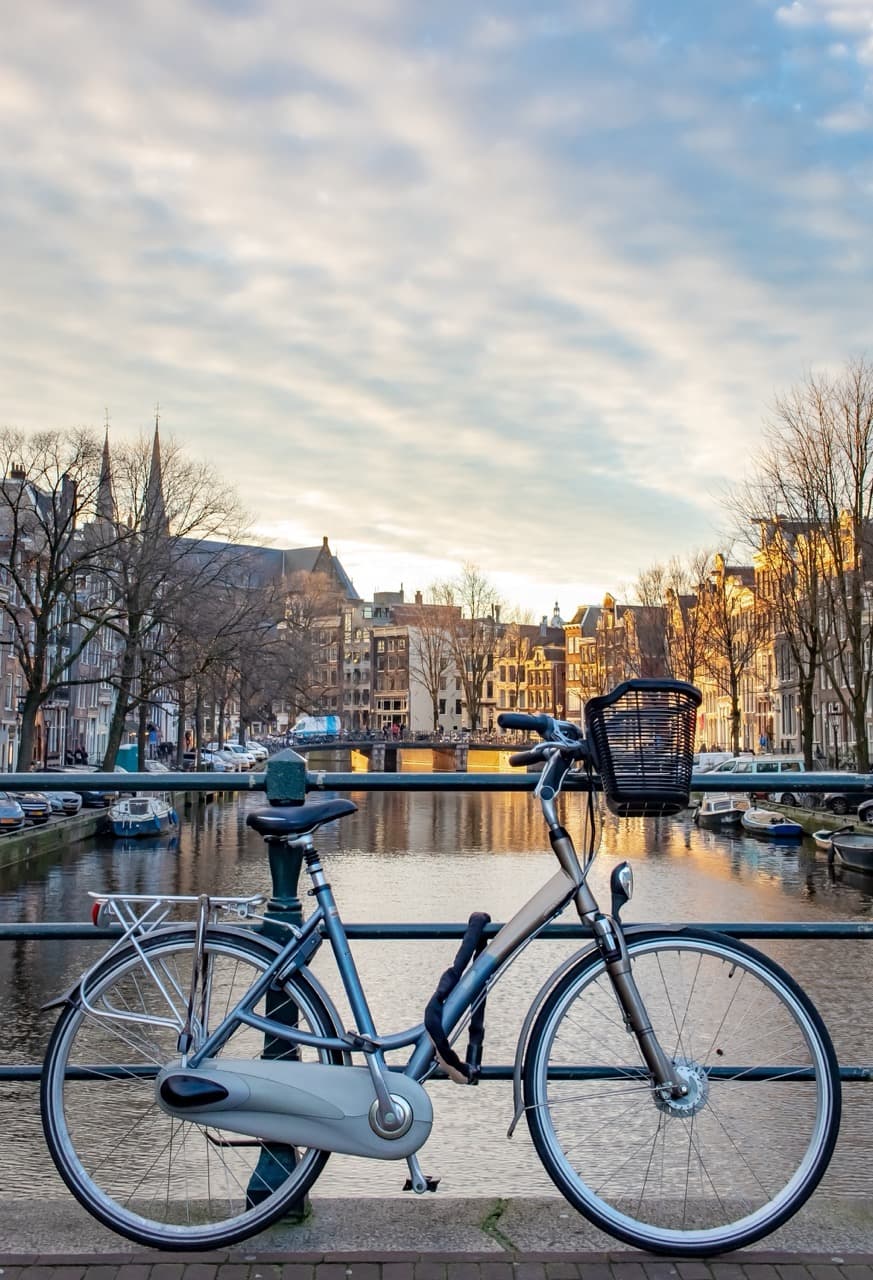
In the Netherlands, cycling is one of the fundamental elements of daily transport. The country has a bicycle path network exceeding 35,000 kilometers, and more than approximately 25% of daily trips are made by bicycle.
Bicycle infrastructure has also been integrated with train systems. Thanks to the OV-fiets system operated by Dutch Railways, passengers can rent bicycles from train stations to complete last-mile transport in a sustainable manner.
Türkiye's Net Zero Emission Target: Transport Roadmap Project
Ministry of Transport and Infrastructure
Hakkı Turayliç Cad. No:5 06338 Emek/Çankaya/ANKARA