
Zero Emission Transport Examples
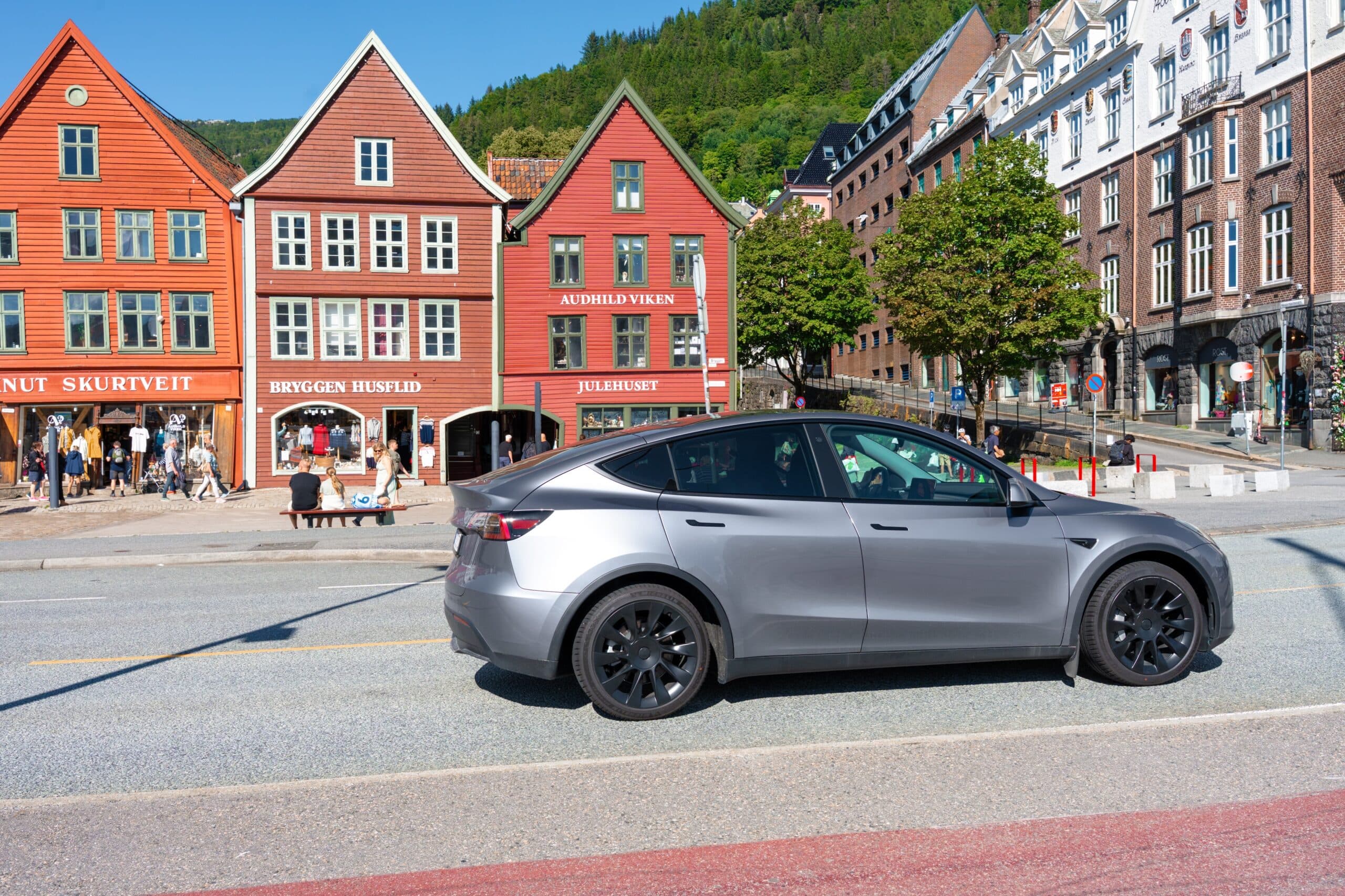
Electric vehicle transition: Reducing the use of fossil-fueled vehicles to achieve zero-emission transport.
Norway has been implementing tax incentives for many years to increase the use of electric vehicles. Electric vehicles have been exempted from purchase tax and VAT, and discounts have also been provided on road and parking fees. Thanks to these incentives, the use of electric vehicles has grown rapidly.
The Norwegian Parliament has targeted all new cars sold by 2025 to be zero-emission. In line with this goal, the widespread adoption of electric vehicles forms the foundation of transport policies.
In 2025, approximately 95% of new cars sold in Norway have become electric, and the country has become one of the world leaders in transport electrification.
Electric public transport: Reducing carbon emissions in urban transportation.
Norway has developed charging infrastructures to expand the use of electric buses in urban public transport. Special charging stations for electric buses have been established in cities like Oslo, and this system has been financed with public support.
As of 2024, approximately 72% of new urban buses in Norway have become electric.
Thanks to electric bus implementations, carbon emissions in urban transport have been significantly reduced.
Electric ferries: Reducing emissions in maritime transportation.
Norway has converted a significant portion of its domestic ferries to electric systems. As of 2021, approximately one-third of the country's ferries have been made electric.
Additionally, the Norwegian government has set a target for ships operating in the fjords, which are natural heritage sites, to become zero-emission from specific dates onwards.
The transition to electric systems in maritime transport plays an important role in Norway's reduction of transport-related carbon emissions.
Türkiye's Net Zero Emission Target: Transport Roadmap Project
Ministry of Transport and Infrastructure
Hakkı Turayliç Cad. No:5 06338 Emek/Çankaya/ANKARA